
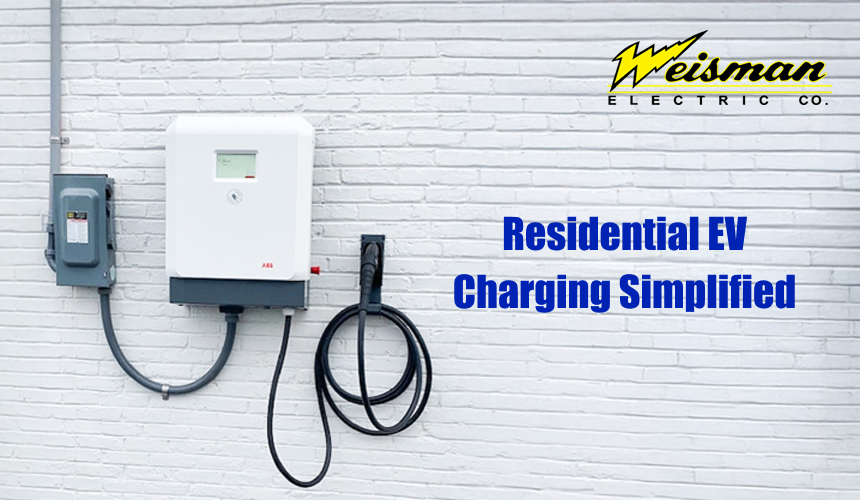
As electric vehicles (EVs) continue to rise in popularity, more homeowners are exploring the benefits of installing a home charging station. According to the U.S. Department of Energy, more than 3 million electric vehicles are now on U.S. roads, and by 2030, it’s projected that over 33 million EVs will be in operation nationwide. With this rapid growth, the need for reliable and convenient residential EV charging solutions is more important than ever.
Installing a residential EV charging station doesn’t just make life easier; it ensures your vehicle is always ready when you need it. Whether you’re considering buying your first EV or you’re already an owner, understanding your home charging options can save time, money, and hassle.
Why Charging at Home Matters
While public charging stations are expanding, nothing beats the convenience of charging your EV at home. Imagine pulling into your driveway at night, plugging in, and waking up to a fully charged vehicle. You won’t have to worry about waiting in line at a charging station, dealing with fluctuating energy costs, or planning your trips around charging stops.
Home charging stations also improve efficiency. Charging your vehicle at night during off-peak hours can help lower your energy bills. Additionally, consistent at-home charging reduces battery wear compared to fast charging at public stations.
Levels of EV Charging: What’s Right for You?
When exploring residential EV charging station installation, it’s essential to understand the various charging levels available.
- Level 1 Charging uses a standard household outlet. It’s the slowest option, providing about 2 to 5 miles of range per hour. While this might be acceptable for hybrid vehicles or minimal daily driving, it’s usually not practical for full EV owners.
- Level 2 Charging requires a 240-volt outlet and a dedicated charging unit. It provides a range of approximately 12 to 60 miles per hour, depending on the vehicle. For most homeowners, this is the ideal balance of speed and cost. A licensed electrician can safely and efficiently install a Level 2 system.
- Level 3 Charging (DC Fast Charging) is the fastest option, but it’s generally reserved for commercial locations due to its high cost and power requirements. For homeowners, Level 2 charging offers the best long-term solution.
Key Considerations Before Installing a Home Charger
Installing a residential EV charging station involves more than plugging in a unit. You’ll need to consider:
1. Electrical Capacity
Your home’s electrical panel must be able to handle the additional load. An inspection by a qualified electrician ensures you won’t overload your system.
2. Location
The charger should be placed where you usually park your car, with easy cable access. Weather protection may also be necessary if it’s outdoors.
3. Permits and Codes
Local building codes often require permits for installation. Working with an electrical company ensures compliance and avoids costly mistakes.
4. Smart Features
Modern chargers can connect to Wi-Fi, letting you schedule charging times, track energy usage, and even integrate with solar panels.
Benefits of Home EV Charging
The advantages of EV charger installation in Maryland go beyond convenience.
- Time Savings: Skip frequent trips to public stations.
- Cost Efficiency: Charging at home, especially during off-peak hours, is cheaper than public charging.
- Increased Home Value: With more buyers seeking EV-ready homes, installing a charger can significantly boost resale value.
- Environmental Impact: Charging at home allows you to pair your EV with renewable energy sources, further reducing your carbon footprint.
Choosing the Right EV Charger for Your Needs
Not all EV chargers are the same. Some provide basic charging, while others offer advanced features.
Basic Models
Affordable and reliable, these units provide straightforward charging without unnecessary extras.
Smart Chargers
These connect to apps and offer scheduling, remote monitoring, and integration with home energy systems. They may cost more upfront but deliver long-term value through energy savings and convenience.
Before deciding, think about how often you drive, your vehicle’s battery capacity, and whether you plan to upgrade to a newer EV in the future.
Why You Need a Professional Installer
Although DIY kits are available, EV charger installation is not a project that homeowners should attempt on their own. Improper installation can damage your vehicle, overload your electrical system, or pose a fire hazard.
Hiring a licensed electrician ensures your charger is installed safely, meets local code requirements, and operates efficiently. Plus, a professional can help future-proof your installation in case you upgrade to a higher-capacity EV or add solar power later.
Weisman Electric Co.: Your Trusted EV Charger Installation Partner
At Weisman Electric Co., we specialize in installing EV charging stations for homeowners across Maryland. Our team has been serving local communities for over 40 years, providing safe, reliable, and efficient electrical solutions. Whether you’re installing your first home charger or upgrading to a smarter system, our electricians can guide you through the entire process, from assessing your electrical panel to securing permits and final testing.
When you’re ready to make the switch to convenient, at-home EV charging, our experts are here to help. Contact us today to know more.
FAQs
1. How long does it take to charge an EV at home?
With a Level 2 charger, most EVs can fully charge overnight in 6 to 12 hours, depending on battery size.
2. Can I install a Level 2 charger in any home?
Most homes can support a Level 2 charger, but an electrical inspection is needed to confirm panel capacity and wiring requirements.
3. Will installing a charger increase my electricity bill?
Yes, but you’ll still save compared to gas costs. Charging during off-peak hours can minimize the impact.
4. Do I need Wi-Fi for a smart charger to work?
No, but connecting to Wi-Fi unlocks advanced features like usage tracking and scheduled charging.
5. Can a charger be installed outdoors?
Yes. Many chargers are weather-rated for outdoor use. A professional installer can recommend the best placement for durability and safety.