
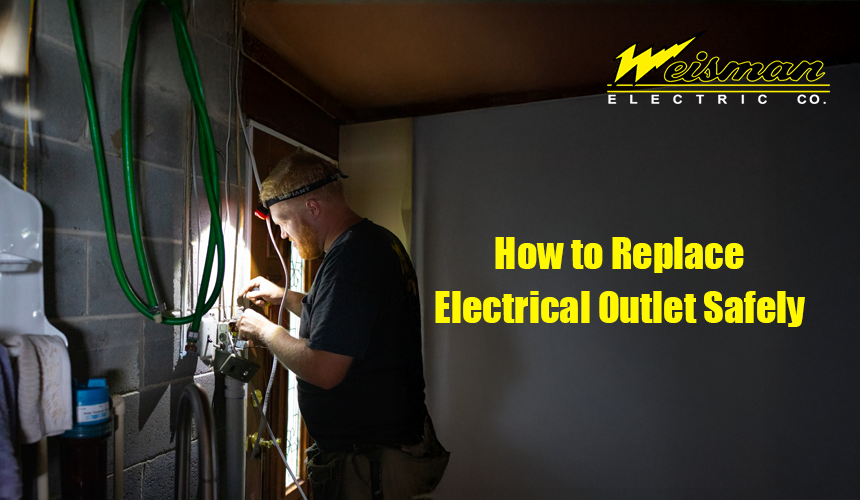
Electrical outlets are one of the most used yet overlooked components of any home. Over time, wear and tear or outdated wiring can lead to safety concerns, especially in older properties. If you’re living in an older home or noticing outlets that spark, feel warm, or no longer hold plugs securely in place, it’s time to consider replacement.
While changing an outlet may seem like a minor task, it requires knowledge, caution, and the right tools. In many cases, it’s best to rely on licensed professionals who provide home electrical repair services to ensure safety and compliance with local codes.
Why Outlet Replacement Is Necessary
A worn or outdated outlet isn’t just inconvenient; it can pose a serious fire or shock hazard. Older homes may still have ungrounded two-prong outlets that don’t meet today’s safety standards. Others may suffer from loose wiring connections or physical damage from years of use.
Upgrading to grounded or tamper-resistant outlets can help protect your home and family. If you’re planning renovations or adding high-powered appliances, replacing older outlets with GFCI (Ground Fault Circuit Interrupter) or AFCI (Arc Fault Circuit Interrupter) models is often required.
If you’ve noticed flickering lights, burning smells, or discolored wall plates near outlets, schedule an inspection with a licensed residential electrical contractor immediately.
Common Signs You Need to Replace an Outlet
There are several tell-tale signs that indicate your outlet may need replacing:
- Plugs fall out easily or feel loose
- You see sparks or scorch marks around the outlet
- The outlet feels hot to the touch
- Devices don’t charge or power on consistently
- Your home still uses outdated two-prong outlets
If you observe any of these issues, don’t delay. Unaddressed outlet problems can lead to more extensive and costly residential electrical repairs down the line.
DIY vs. Professional Outlet Replacement
While some homeowners attempt to replace outlets themselves, it’s important to assess your comfort and experience level with electrical work. Even when the power is turned off, wiring errors can result in reversed polarity, non-functioning circuits, or increased fire risk.
Licensed electricians not only ensure that your outlet is installed correctly, but also confirm that the wiring behind your walls is safe and up to code. They can test for voltage irregularities, ensure the circuit is properly grounded, and determine whether your breaker panel needs upgrades.
By hiring a professional who specializes in home electrical repair services, you’re investing in safety, long-term performance, and code compliance.
The Replacement Process
Here’s a general overview of what happens during a professional outlet replacement:
- Power Off at the Panel: The electrician shuts off the circuit at the main breaker panel and tests the outlet to confirm there is no live current.
- Outlet Removal: The wall plate and old outlet are carefully unscrewed and removed.
- Wire Inspection: The wiring is checked for fraying, damage, or improper configuration.
- New Outlet Connection: The new outlet is wired correctly based on polarity and ground placement.
- Reassembly and Testing: The outlet is reinstalled, the wall plate secured, and the circuit is turned back on. Finally, the electrician tests the outlet to ensure it is functioning safely.
This methodical approach eliminates guesswork and reduces the chance of error, making professional help well worth the investment.
Choosing the Right Type of Outlet
Modern households utilize a variety of outlets, each designed for different purposes. For example:
- GFCI outlets are required in kitchens, bathrooms, garages, and any area near water to protect from electrical shock.
- AFCI outlets detect dangerous arc faults and are commonly used in living rooms and bedrooms.
- USB-integrated outlets are convenient for charging mobile devices directly.
- Smart outlets allow remote control and energy monitoring through home automation systems.
A knowledgeable residential electrical contractor can help you choose the right outlets for your needs and ensure they are compatible with your current wiring system.
When to Call Weisman Electric Co.
Replacing an outlet may seem like a small job, but it plays a big role in ensuring your home’s safety and efficiency. From outdated wiring to damaged receptacles, ignoring electrical issues can lead to major risks.
If you’re unsure whether your outlets are safe or up to code, don’t take chances. At Weisman Electric Co., we specialize in electrical repairs and offer trusted, professional home electrical repair services across Maryland.
With over 40 years of experience, our team is well-equipped to assess, repair, or replace any electrical component in your home. Whether it’s a single outlet or a full system upgrade, we ensure every project meets the highest standards of safety and performance. Contact us today.