
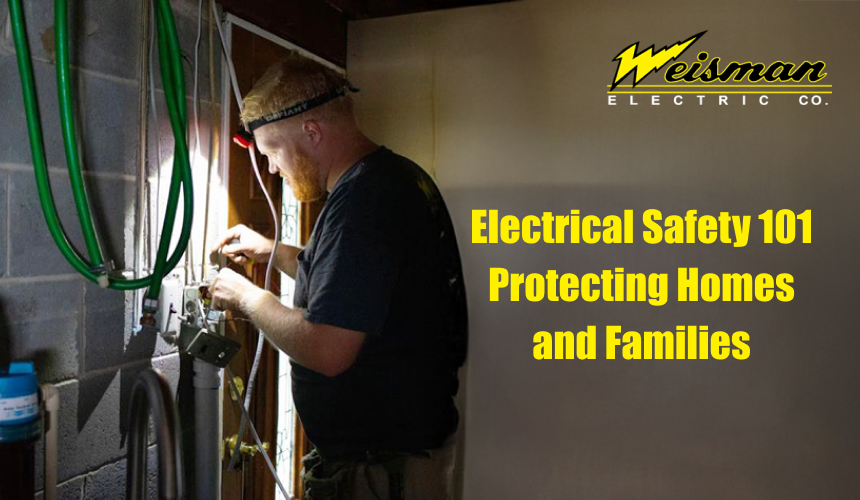
Electricity powers nearly every aspect of modern life, from lighting and heating to entertainment and appliances. Yet it’s easy to forget that electricity, while convenient, can also be dangerous when mishandled. Fires, shocks, and even fatalities can result from unsafe practices or faulty systems. Practicing residential electrical safety not only protects your home and loved ones but also ensures your electrical system operates reliably and efficiently.
Keep Appliances and Outlets Safe in Wet Areas
Water and electricity are a dangerous combination. Bathrooms, kitchens, laundry rooms, and outdoor areas all pose risks when outlets or appliances are exposed to moisture.
- Never use non-essential appliances near sinks, tubs, or showers.
- Install GFCI (Ground Fault Circuit Interrupter) outlets in wet areas to prevent shock hazards.
- Educate children about the dangers of mixing water and electricity.
These small adjustments significantly reduce the chances of accidents in high-risk areas.
Childproofing Your Home for Electrical Safety
Children are naturally curious, which makes electrical outlets and cords particularly hazardous. Protect your family by taking a few preventive steps:
- Use outlet covers or safety plugs on all unused outlets.
- Teach children never to insert objects into outlets or appliances.
- Keep cords out of reach to avoid pulling or chewing hazards.
- Replace damaged cords immediately.
Simple childproofing steps go a long way in ensuring peace of mind and preventing dangerous situations.
Safe Use of Extension Cords and Power Strips
Extension cords are useful but often misused. Overloading them is one of the leading causes of electrical fires in homes.
- Use the correct cord size and length for the appliance.
- Avoid daisy-chaining multiple cords or power strips.
- Limit extension cord use to temporary situations, not permanent setups.
- Inspect cords for frays, cracks, or damage before use.
For long-term power needs, have an experienced residential electrical contractor install additional outlets or circuits instead of relying on cords.
Properly Plugging and Unplugging Appliances
A common mistake homeowners make is yanking appliances from the wall by their cords. This can damage the cord, the outlet, or both.
- Always grip the plug housing when unplugging.
- Avoid twisting or bending cords while pulling.
- Do not run cords under rugs or furniture, where they may overheat.
These small precautions extend the life of your appliances while keeping your home safe.
Signs Your Electrical System May Not Be Safe
Electrical issues often show warning signs before becoming serious. Watch out for these indicators:
- Flickering or dimming lights.
- Frequently tripped breakers or blown fuses.
- Outlets or switches that feel warm to the touch.
- Buzzing sounds from panels or outlets.
- Burning smells near electrical components.
If you notice any of these red flags, it’s time to call in a professional. Attempting DIY fixes could make the problem worse or put your safety at risk.
The Importance of Professional Electrical Inspections
Even if your home seems fine, routine inspections are vital to maintaining residential electrical safety. Licensed contractors can:
- Detect hidden wiring issues.
- Ensure your panel meets modern demands.
- Verify outlets, breakers, and appliances are safe.
- Recommend upgrades to improve efficiency and safety.
An experienced residential electrical contractor provides peace of mind that your system is running safely and efficiently, while helping you avoid costly emergency repairs later.
Why Choose Weisman Electric Co. for Electrical Safety
For over 40 years, Weisman Electric Co. has proudly served Maryland homeowners with trusted electrical expertise. From safety inspections and wiring upgrades to outlet replacements and panel services, our licensed electricians deliver dependable solutions tailored to your home.
Our electricians combine decades of experience with modern safety practices, ensuring every job is completed with precision and care. When it comes to protecting your family and your home, choosing a proven team makes all the difference.
Contact us today to schedule an electrical inspection.
FAQs
1. How often should I schedule a professional electrical inspection?
Every 3–5 years is ideal, though older homes may benefit from more frequent checks.
2. Are power strips with surge protectors safe to use daily?
Yes, but only if they are high-quality and not overloaded. Surge protectors add an extra layer of safety for sensitive electronics.
3. Can I replace outlets or switches myself?
Basic replacements may seem simple, but improper wiring can cause hazards. It’s safest to hire a licensed contractor.
4. What’s the safest way to handle a sparking outlet?
Turn off the breaker immediately and call a professional. Do not attempt to use the outlet until it’s repaired.
5. Is aluminum wiring still safe in older homes?
Aluminum wiring can pose safety risks. Have it inspected by a contractor to determine if rewiring or special connectors are needed.