
Power reliability can make or break an event. Whether it’s a corporate conference, wedding reception, live performance, or trade show, even a brief power disruption can shut down lighting, sound systems, registration desks, and critical technology.
According to the U.S. Department of Energy, power disturbances cost U.S. businesses several billion dollars annually. Event venues are particularly vulnerable because they rely on uninterrupted electrical power.
This is where an Uninterruptible Power Supply (UPS) system becomes essential. A properly selected and professionally installed UPS ensures that events continue smoothly, even during outages, voltage fluctuations, or sudden power loss.
If you manage or operate an event venue, choosing the right UPS system is critical because it protects your reputation, revenue, and guest experience.
This guide walks you through everything you need to know to choose the right UPS system for your event venue, from understanding power requirements to installation and long-term maintenance.
Why event venues need UPS systems
Event venues rely heavily on electricity. Lighting rigs, audiovisual equipment, ticketing systems, security cameras, point-of-sale systems, and climate control all depend on continuous power.
A momentary outage, even a few seconds, can reset equipment, damage electronics, or interrupt performances. Guests may not remember perfect lighting, but they will remember microphones cutting out or screens going dark.
A UPS system provides instant power backup during interruptions. Unlike generators, which take time to start, UPS systems deliver power immediately. This allows critical systems to continue operating while backup generators start or until normal power is restored.
Understanding what a UPS system does
A UPS system stores energy in batteries and delivers it instantly when incoming power drops or fails. It also protects sensitive equipment from power surges, voltage sags, and electrical noise.
For event venues, a UPS doesn’t necessarily power everything. Instead, it supports mission-critical systems, such as sound boards, lighting controls, servers, routers, digital signage, and security systems.
The right UPS setup ensures continuity without overwhelming costs or unnecessary capacity.
Step 1: Identify critical equipment
Before selecting a UPS, you need to determine which systems absolutely must stay powered during an outage.
In event venues, these often include:
- Audio and sound systems
- Lighting control panels
- Video displays and projectors
- Network equipment and Wi-Fi
- Ticketing and POS systems
- Security and surveillance systems
Trying to power everything through a UPS can be inefficient and expensive. A focused approach delivers better performance and cost control.
Step 2: Calculate power load requirements
UPS systems are rated in VA (volt-amperes) or kVA. Choosing the wrong size can lead to insufficient runtime or system overload.
Each piece of equipment has a power rating. Adding these together helps determine the total load the UPS must support. Professional electricians use load calculations to ensure accuracy and prevent oversizing or undersizing.
This step is critical. Improper sizing is one of the most common causes of UPS system failure in commercial environments.
Step 3: Determine required runtime
Runtime refers to how long the UPS must supply power during an outage.
For event venues, runtime needs vary:
- Some venues only need 5–15 minutes to safely shut down systems
- Others require 30–60 minutes to allow generators to engage
- Certain venues may need extended runtime for safety systems
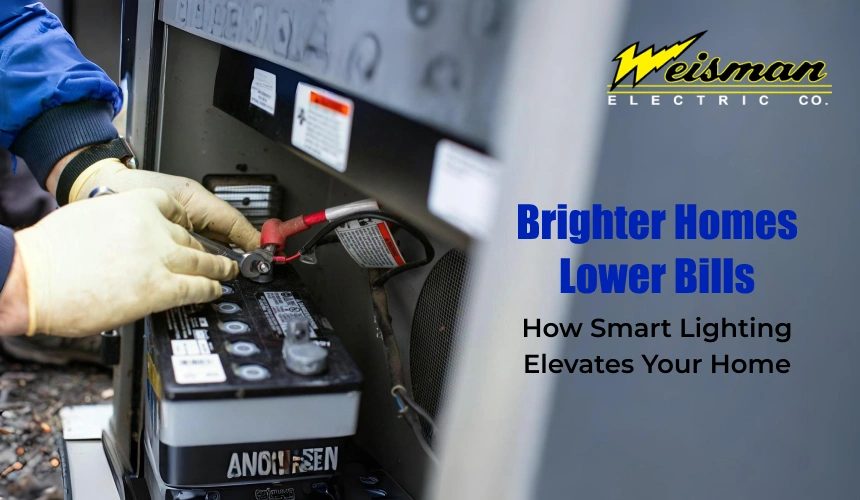
The required runtime determines battery capacity. This is where professional UPS battery installation plays a key role. Correct battery selection ensures consistent performance without premature failure.
Step 4: Choose the right type of UPS
There are three main UPS types commonly used in commercial settings.
Offline (standby) UPS
Best for small systems with minimal power needs. Not typically recommended for event venues due to limited protection.
Line-interactive UPS
Provides better voltage regulation and is suitable for moderate loads like network equipment or lighting controls.
Online (double-conversion) UPS
Offers the highest level of protection. It continuously conditions power and provides seamless backup. This is the preferred option for event venues with sensitive AV and IT systems.
Choosing the right type depends on your equipment sensitivity and performance expectations.
Step 5: Plan for scalability and future events
Event venues evolve. New lighting systems, larger screens, upgraded sound equipment, and additional networking increase power demands.
A well-designed UPS system should allow for expansion. Modular UPS systems make it easier to add capacity as your venue grows without replacing the entire system.
Planning ahead saves money and avoids future downtime.
Step 6: Consider installation environment
UPS systems generate heat and require adequate ventilation. They also need accessible locations for maintenance and battery replacement.
Professional UPS system installation ensures:
- Proper electrical connections
- Safe placement
- Adequate airflow
- Compliance with electrical codes
Venues with limited space benefit from rack-mounted or wall-mounted systems designed specifically for commercial use.
Step 7: Maintenance and battery management
UPS systems are not “set it and forget it” solutions. Batteries degrade over time and must be monitored and replaced on schedule.
Routine maintenance includes:
- Battery testing
- Load testing
- Firmware updates
- Visual inspections
Without maintenance, a UPS may fail silently and provide no protection during an outage. Regular inspections ensure your system performs when it matters most.
UPS systems vs. generators: why you need both
Many event venues use generators for extended outages. However, generators take time to start, anywhere from 10 seconds to several minutes.
UPS systems bridge that gap. They keep systems running until generator power is available. Together, UPS systems and generators create a comprehensive backup power strategy.
This layered approach ensures uninterrupted operation and protects expensive equipment from sudden power loss.
Why professional installation matters
Commercial UPS systems involve complex electrical connections and load management. Improper installation can lead to inefficiency, safety hazards, or system failure.
Working with experienced professionals ensures:
- Accurate load calculations
- Proper grounding
- Code compliance
- Reliable battery integration
- Long-term system performance
A professionally installed system delivers confidence, reliability, and peace of mind.
Weisman Electric Co.: Trusted UPS experts in Maryland
For over 40 years, Weisman Electric Co. has supported Maryland businesses with dependable electrical and power backup solutions. We serve Severna Park, Severn, Annapolis, Pasadena, Crofton, Arnold, Millersville, Edgewater, Mayo, Gambrills, Crownsville, and surrounding areas. Our team specializes in commercial UPS systems designed to protect critical operations in event venues and other high-demand environments.
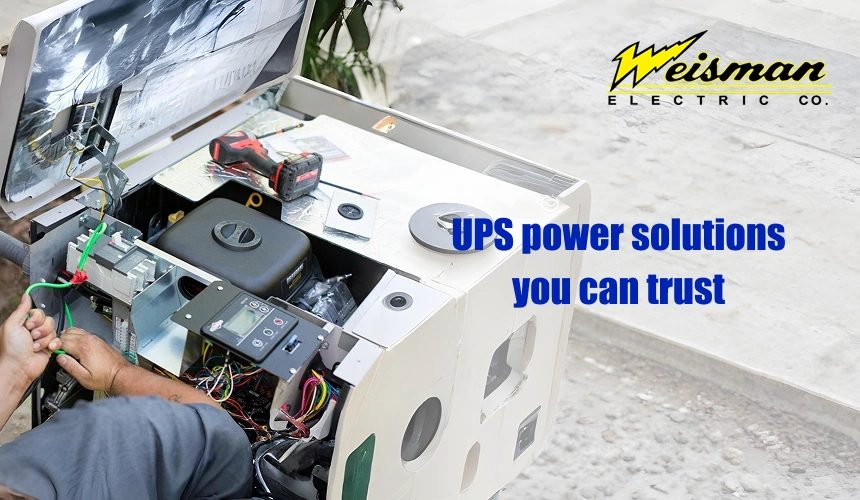
We provide comprehensive UPS solutions, including system design, battery installation, system installation, and ongoing maintenance. Whether you manage a small event space or a large venue, our experienced electricians tailor solutions that match your power needs and budget.
With Weisman Electric Co., you get reliability when it matters most. Contact us today to schedule a consultation.
Frequently Asked Questions (FAQs)
1. How long do UPS batteries last in event venues?
Most UPS batteries last 3–5 years, depending on usage, environment, and maintenance. Regular testing extends lifespan and reliability.
2. Can a UPS power an entire event venue?
Typically, UPS systems support critical systems only. Generators are better suited for full-building backup power.
3. How often should a UPS system be tested?
Commercial UPS systems should be inspected at least annually, with battery testing performed regularly.
4. What happens if a UPS is undersized?
An undersized UPS may overload, shut down, or fail to provide adequate runtime during outages.
5. Is professional installation really necessary?
Yes. Improper installation can reduce performance, damage equipment, and violate electrical safety codes.