
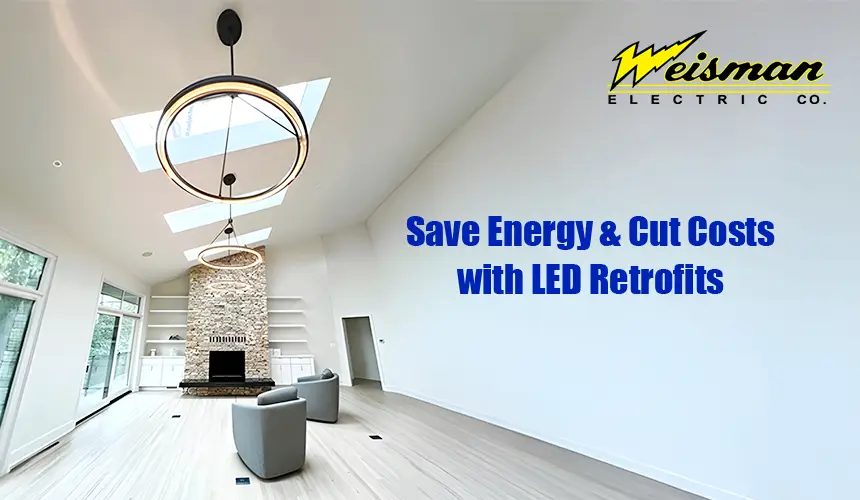
In today’s world, energy efficiency is more important than ever. With rising electricity costs and growing environmental concerns, homeowners and businesses are looking for sustainable solutions to reduce energy consumption. One of the most effective ways to achieve this is by upgrading to LED lighting. Studies show that LED lights use up to 80% less energy than traditional incandescent bulbs and last 25 times longer. By investing in an LED retrofit, you can significantly lower your electricity bills while reducing maintenance costs. Choosing efficient lighting can also improve energy efficiency by providing reliable illumination while reducing the electrical load associated with older lighting systems.
Understanding LED retrofits
LED retrofits involve replacing existing lighting systems with energy-efficient LED technology. This process is suitable for both residential and commercial properties, providing an effective way to modernize lighting without completely overhauling the electrical infrastructure. Whether you’re upgrading an office, a retail store, or your home’s lighting system, LED retrofits deliver immediate and long-term benefits.
Energy efficiency and cost savings
One of the main reasons homeowners and businesses opt for LED retrofits is the significant reduction in energy usage. Unlike incandescent bulbs that waste a large portion of energy as heat, LED lights convert nearly all of their energy into light. This efficiency translates to lower electricity bills, making LED lighting a cost-effective choice in the long run.
For businesses, energy savings can be substantial. A commercial electrician can help identify inefficient lighting systems and recommend the best LED solutions to optimize efficiency. Many companies report a return on investment within a few years due to the drastic reduction in energy expenses.
Extended lifespan and durability
LED lights are built to last. Traditional bulbs have a lifespan of approximately 1,000 hours, while LED lights can last anywhere from 50,000 to 200,000 hours. This means fewer replacements, less maintenance, and lower overall costs.
Additionally, LED lights are more durable than incandescent or fluorescent bulbs. They are made from solid-state components, making them resistant to shocks, vibrations, and extreme weather conditions. This makes them an excellent choice for both indoor and outdoor applications.
Environmental benefits of LED retrofits
Switching to LED lighting is not only good for your wallet but also for the environment. Traditional bulbs contain hazardous materials such as mercury, which can be harmful when disposed of improperly. In contrast, LEDs are free from toxic elements, reducing the risk of environmental contamination.
Furthermore, because LED lights have a longer lifespan, there is less waste generated from frequently discarded bulbs. A residential electrician can install LED retrofits in homes to help families lower their carbon footprint while enjoying superior lighting quality.
Improving energy efficiency with better lighting
LED retrofits can improve energy efficiency by providing dependable, energy-conscious lighting in areas where visibility matters most. Efficient fixtures can support clearer pathways, entrances, stairways, parking areas, and workspaces while reducing the energy required for routine illumination.
Improved lighting quality and performance
LED lights provide superior illumination compared to traditional bulbs. They offer:
- Better brightness and color accuracy
- Instant illumination without flickering
- Customizable color temperatures to create the desired ambiance
- Directional lighting, reducing light pollution and increasing efficiency
For commercial properties, upgrading to LED lighting enhances workplace productivity by providing better visibility and reducing eye strain. An experienced electric contractor can assess lighting needs and recommend the best LED solutions tailored to specific work environments.
When planned properly, LED upgrades can also improve energy efficiency by helping critical areas remain adequately illuminated while keeping energy consumption under control.
Minimal heat emission and enhanced safety
Unlike incandescent bulbs that emit a significant amount of heat, LED lights remain cool to the touch. This feature enhances safety by reducing the risk of burns and fire hazards, particularly in high-risk environments such as kitchens, manufacturing facilities, and retail spaces.
LED retrofits also contribute to better indoor air quality. Since they emit minimal heat, they help lower cooling costs, reducing the strain on HVAC systems during warmer months.
Financial incentives and rebates
Many state and federal programs offer financial incentives for businesses and homeowners who switch to energy-efficient lighting. Utility companies often provide rebates for LED retrofits, helping to offset the initial investment costs.
By consulting a residential electrician or commercial electrician, property owners can learn about available incentives and maximize savings while making an environmentally responsible decision.
Application of LED retrofits
LED retrofits can be applied in various settings, including:
- Residential Homes – Kitchens, living rooms, outdoor spaces, and garages can benefit from efficient LED lighting.
- Commercial Buildings – Offices, retail stores, and warehouses improve lighting quality and reduce operational costs.
- Industrial Facilities – Manufacturing plants, factories, and workshops require durable and energy-efficient lighting solutions.
- Public Spaces – Parking garages, streetlights, and municipal buildings can achieve significant savings with LED retrofits.
Upgrading to LED lighting is one of the smartest investments you can make for energy efficiency, cost savings, and environmental sustainability. Whether you’re a homeowner looking for better lighting solutions or a business owner seeking to reduce operational expenses, LED retrofits offer a practical and long-term solution.
Why choose Weisman Electric Co. for LED retrofits?
Weisman Electric Co. has been a trusted electric contractor in Maryland for over 40 years. Our team of certified electricians specializes in LED retrofits for residential and commercial properties. Whether you need a single lighting upgrade or a complete building retrofit, our experts will ensure seamless installation and optimal performance.
Our services include:
- LED lighting assessments
- Customized retrofit solutions
- Compliance with National Electrical Code (NEC) standards
- Professional installation and maintenance support
By working with Weisman Electric Co., you can ensure expert installation and enjoy the benefits of high-quality, energy-efficient lighting.
Conclusion
LED retrofits can improve energy efficiency while helping homes and businesses reduce energy consumption, maintenance requirements, and operating costs. By replacing outdated lighting with efficient LED technology, property owners can create a more reliable and practical lighting environment without completely replacing their existing electrical infrastructure. Contact us today to schedule a consultation and take the first step toward a brighter, more sustainable future.
FAQs
1. Can LED retrofits work with an existing electrical system?
Yes. Many LED retrofit projects are designed to work with existing electrical infrastructure, although the exact approach depends on the fixtures, wiring, controls, and type of lighting being replaced. An electrician can determine whether existing components are compatible or require modification.
2. How should businesses prioritize areas for an LED retrofit?
Businesses can start with spaces that operate for long hours, use large numbers of fixtures, or have frequent maintenance requirements. High-use areas can often provide a clearer opportunity to see the financial benefits of an upgrade.
3. Are LED retrofits suitable for outdoor lighting?
Yes. LEDs can be used for many outdoor applications, including building exteriors, parking areas, walkways, security lighting, and other spaces. Fixture selection should account for weather exposure, operating conditions, brightness requirements, and placement.
4. Can LED lighting work with occupancy or daylight sensors?
Yes. LED systems can be paired with controls such as occupancy sensors, timers, dimmers, and daylight sensors. These controls can reduce unnecessary lighting use and further improve energy performance.
5. How can an LED retrofit affect maintenance planning?
Because LEDs generally have much longer rated lifespans than traditional bulbs, property owners may face fewer routine replacements. This can reduce the frequency of maintenance visits and make lighting maintenance easier to plan over time.