

Power outages are becoming more frequent due to extreme weather, aging infrastructure, and rising electricity demand. According to the U.S. Energy Information Administration (EIA), the average American home experienced about five and a half hours of power interruptions in 2022. For businesses, power disruptions cost significantly annually in lost productivity and revenue.
Given this unpredictability, having a backup generator is no longer a luxury—it’s a necessity. Whether you need to keep your family comfortable or protect critical business operations, a generator can mean the difference between a minor inconvenience and a major crisis.
In this blog, we’ll walk you through everything you need to know about generator installation, from choosing the right system to ensuring a smooth setup.
Step 1: Assess Your Power Needs
Before purchasing a generator, it’s important to determine how much power you’ll need. Essential appliances such as refrigerators, medical devices, sump pumps, and heating or cooling systems should be prioritized.
For businesses, critical equipment like servers, security systems, and lighting must remain operational during an outage. If you’re deciding between a full-home backup and a partial backup, consider that whole-home generators power everything, while smaller units cover only essential circuits.
An electrician can help assess your power consumption and recommend the right generator size. A 7,500-watt generator can typically power household essentials, while businesses may require significantly larger models.
Step 2: Choose the Right Type of Generator
There are two primary types of generators—portable and standby.
Portable generators are a cost-effective solution for short-term outages. They typically run on gasoline or propane and need to be manually started. While they can power a few essential appliances, they are not designed to support an entire home.
Standby generators, on the other hand, are permanently installed and automatically activate when a power outage occurs. These units run on natural gas or propane and provide seamless backup power. They are ideal for long-term use, especially in areas prone to frequent outages.
A standby generator is the best investment if you need a reliable solution that offers convenience and full home coverage.
Step 3: Find the Best Location for Your Generator
Proper placement is critical for both safety and efficiency. Generators must be installed outdoors due to carbon monoxide risks. They should also be placed close enough to the electrical panel for easy connection but far enough to minimize noise disturbances.
Local building codes may have regulations on generator placement, noise levels, and fuel storage. Working with a professional electrician ensures your installation meets all safety and legal requirements.
Step 4: Prepare Your Home’s Electrical System
A generator needs to be properly connected to your home’s electrical system to function safely. A transfer switch must be installed to allow the power supply to switch from the grid to your generator. This prevents dangerous backfeeding, which can pose risks to utility workers.
Older homes may require wiring upgrades to accommodate the new power source. Additionally, surge protection should be installed to safeguard sensitive electronics from voltage fluctuations when power is restored.
A professional electrician will ensure all connections are secure and compliant with local regulations.
Step 5: Schedule Professional Installation
Generator installation is a complex process that requires precise setup. A licensed electrician will secure the unit on a stable surface, connect it to a fuel source, and test the system to ensure it activates automatically during an outage.
Proper ventilation is also crucial to prevent carbon monoxide buildup. Without professional installation, you risk electrical failures, safety hazards, and potential damage to your home’s power system.
Hiring an expert not only ensures safety but also extends the lifespan of your generator and prevents costly errors.
Step 6: Perform Regular Maintenance for Long-Term Reliability
A generator is only useful if it works when you need it. Regular maintenance keeps the unit in optimal condition and ensures it functions during an emergency.
Running the generator briefly each month helps keep internal parts lubricated. Oil and filters should be changed according to manufacturer guidelines. Checking fuel levels, battery health, and inspecting wiring for wear and tear can prevent unexpected failures.
Scheduling annual maintenance services with a professional electrician helps identify and fix potential issues before they become serious problems.
Benefits of Installing a Generator
1. Peace of Mind During Emergencies
A power outage can happen anytime, but a generator ensures your home or business stays powered.
2. Protection Against Financial Losses
For businesses, losing power means lost revenue. A generator prevents downtime and protects critical equipment.
3. Safety for Homeowners
From preserving food in your refrigerator to running medical equipment, a generator provides security and comfort.
4. Increased Property Value
Homes with backup power solutions are more attractive to buyers, making a standby generator a smart investment.
Trust Weisman Electric Co. for Expert Generator Installation
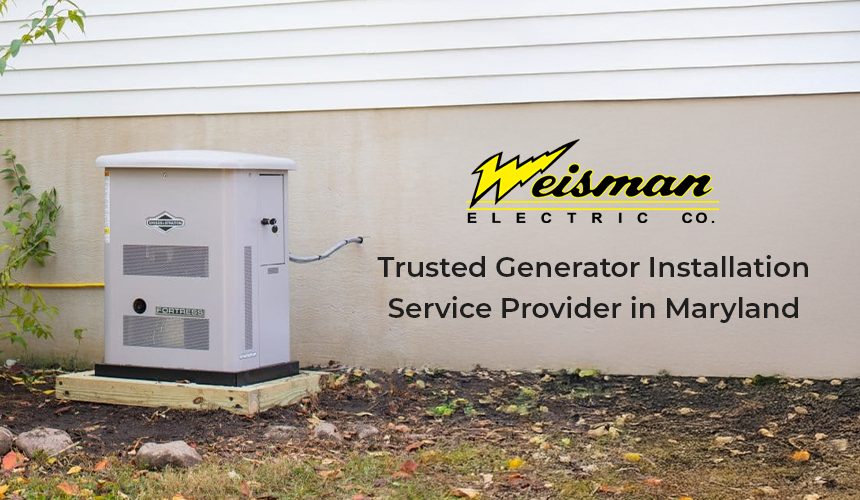
Power outages are unpredictable, but your response doesn’t have to be. Installing a generator ensures that your home or business remains powered, no matter the circumstances.
When it comes to generator installation in Maryland, Weisman Electric Co. is the trusted choice for both residential and commercial backup power solutions.
With over 40 years of experience, we specialize in reliable generator installation, maintenance, and repair services. Our expert team provides professional assessments to help you choose the right generator for your needs. We ensure seamless integration with your electrical system and offer routine maintenance services to keep your generator in top condition.
Don’t wait for the next power outage to leave you in the dark. Contact Weisman Electric Co. today to schedule your generator installation and ensure your home or business stays powered during emergencies.