
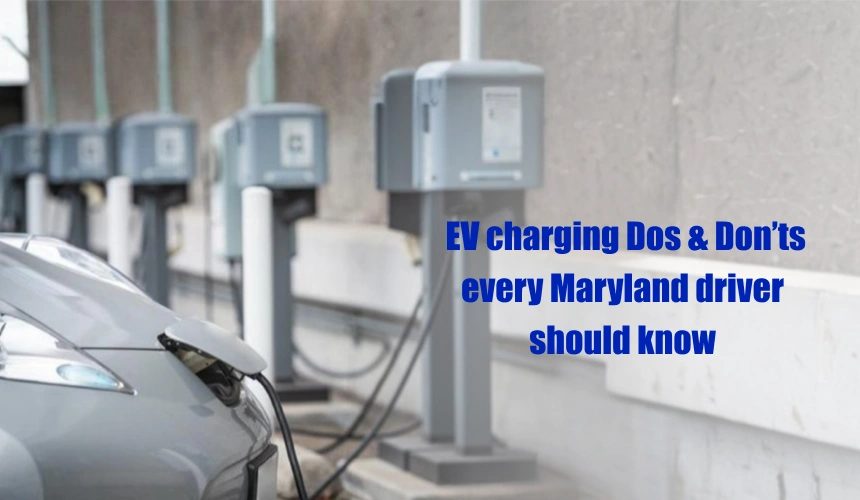
Electric vehicles are becoming a common sight across Maryland neighborhoods and business parking lots. As more property owners make the switch, questions about safe and effective EV charging practices are becoming increasingly common.
Whether you have recently had an EV charging station installation completed at your home or you are considering adding charging capabilities to your business, knowing the right way to use and maintain your setup makes a significant difference in both safety and long-term performance.
This guide covers the most important dos and don’ts of EV charging, along with answers to the questions we hear most often from Maryland homeowners and business owners.
Dos and don’ts of EV charging
Do: Choose the right charging station for your needs
Not all charging stations are the same, and selecting the right one for your property is an important first step. Level 1 chargers use a standard 120-volt outlet and work for light daily use, but they charge slowly. Level 2 chargers operate on a 240-volt circuit and are the preferred option for most homeowners and businesses that need faster, more reliable charging.
A licensed electrician can evaluate your electrical panel, calculate your load requirements, and recommend the right equipment for your situation. Weisman Electric’s technicians also advise on the best placement for your charger relative to your main panel, which can affect both cost and performance.
Don’t: Attempt to use an unauthorized power source
Plugging into a building’s electrical system without explicit permission from the owner or management is not a safe or legal approach. Unauthorized use of an electrical source can damage the building’s wiring, create safety hazards, and potentially cause damage to your vehicle. Always rely on designated charging stations or consult a qualified electrician about installing a dedicated circuit.
Do: Keep charging cables organized and out of the way
Cables left across driveways, parking lots, or walkways create tripping hazards and are vulnerable to damage from foot traffic and vehicles. When EV charging is in progress, make sure cables are routed safely and not under any strain or tension. Many installations include cable management features that keep everything tidy and reduce wear over time.
Don’t: Use a damaged charging station
If you encounter a charging station that appears damaged, cracked, or malfunctioning, do not attempt to use it. A damaged station poses a risk to both the vehicle and the user. Report the issue to the station operator or the appropriate maintenance authority and find an alternative charging location until repairs are completed.
Do: Move your vehicle promptly once charging is complete
At public or shared charging stations, leaving your vehicle connected after it has finished charging blocks access for other drivers. Once your vehicle is fully charged, disconnecting and moving it promptly is both courteous and often required by station policies.
Don’t: Disconnect another driver’s vehicle without permission
If a charging spot is occupied and you need access, do not disconnect another vehicle without the owner’s knowledge or consent. This can be disruptive and may cause disputes. Planning your charging stops in advance and using apps or directories that show real-time availability is a more practical approach.
Which EV charging station installation is right for your property?
Choosing between a residential and commercial setup comes down to your usage patterns, the number of vehicles you need to support, and your property’s existing electrical infrastructure.
For homeowners, a dedicated Level 2 charger installed by a licensed electrician is typically the most practical and cost-effective solution. It provides enough charging speed for overnight use and can be positioned conveniently in a garage or driveway.
For businesses, the decision is more involved. Commercial EV charging station installation requires careful planning around the number of charging ports needed, the electrical capacity of the building, and whether the stations will be available to employees, customers, or both. A professional assessment ensures the system is properly sized and code-compliant from the start.
How to find charging stations when you are away from home
When you are traveling or away from your regular charging location, mobile apps, online directories, and built-in navigation systems are the most reliable tools for locating nearby stations. Many of these platforms display real-time availability, connector types, network providers, and pricing information, making it easy to plan stops along your route before you leave.
What to do if no charging stations are available in an emergency
Running low on charge with no station nearby is a situation worth preparing for in advance. Knowing where alternative charging options are located along your regular routes, such as hotels, public facilities, or business parking areas that offer charging, can help in a pinch. Some EV owners also keep a portable charger for backup in situations where Level 2 access is not available.
Why professional installation matters
A properly installed EV charging station installation is not just about convenience. It is about safety, code compliance, and long-term reliability.
Amateur or improperly installed charging equipment can create fire hazards, trip breakers, and damage your vehicle’s battery over time. A licensed electrician ensures that the circuit is correctly sized, the wiring meets local code requirements, and the station is securely mounted and tested before use.
For businesses considering commercial EV charging station installation, professional installation also opens the door to available incentives and rebates, which can significantly offset the upfront cost of the project.
How Weisman Electric Co. can help
For over 40 years, Weisman Electric Co. has served Maryland homeowners and businesses with reliable electrical solutions. Our team specializes in commercial and residential EV charging station installation, helping property owners of all sizes make the transition to electric vehicle charging safely and efficiently.
Whether you need a single home charger or a multi-port commercial setup, our licensed electricians can evaluate your property, recommend the right equipment, and handle the entire installation from panel upgrades to final testing.
We proudly serve Severna Park, Severn, Annapolis, Pasadena, Crofton, Arnold, Millersville, Edgewater, Mayo, Gambrills, Crownsville, and surrounding areas. Contact us today to schedule a consultation.
FAQs
1. Which charging station should I use for my EV?
The best option depends on your daily driving habits and your property’s electrical capacity. Level 2 chargers are the most practical choice for most homeowners and businesses, offering faster charge times than a standard outlet. A licensed electrician can help you select the right unit and ensure it is installed correctly.
2. How can I prevent tripping hazards at my charging station?
Keep charging cables organized and away from walkways, driveways, and high-traffic areas. Use cable management accessories when available, and avoid leaving cables stretched across surfaces where they could be stepped on or driven over.
3. Can I run errands while my EV is charging?
Yes, but be mindful of how long you will be away. At public stations, move your vehicle promptly once charging is complete to allow other drivers to access the spot. Check whether the station has any posted time limits before leaving.
4. What is the difference between residential and commercial EV charging station installation?
Residential installations typically involve a single Level 2 charger on a dedicated 240-volt circuit. Commercial EV charging station installation is more complex, involving multiple charging ports, higher electrical demand, load management systems, and code compliance for commercial properties. Both require professional installation by a licensed electrician.
5. Are there incentives available for EV charging station installation?
Yes. Federal tax credits, state programs, and utility rebates are available in Maryland for both residential and commercial installations. A licensed electrician can advise you on current programs and help ensure your installation qualifies.