
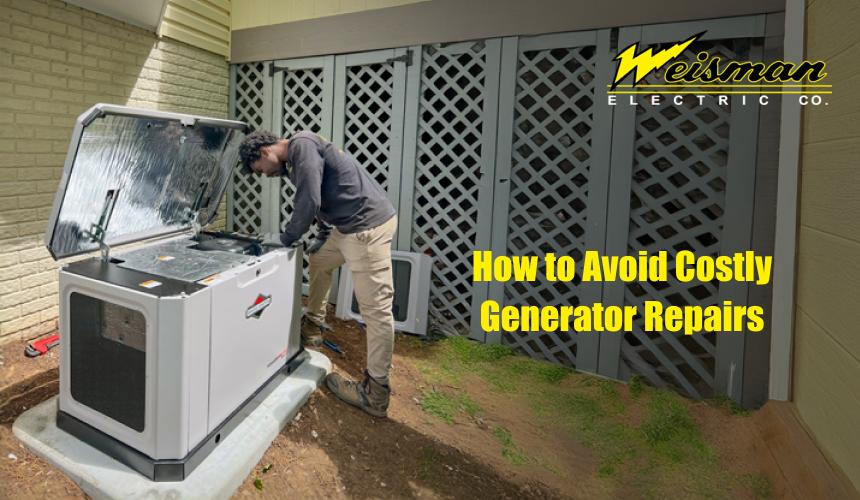
A home generator can be a lifesaver when the power goes out, especially during major storms or unexpected outages. Whether it’s keeping the lights on, powering medical devices, or running your HVAC system, your generator gives your household peace of mind. However, like any major home appliance, a generator isn’t completely maintenance-free. Over time, especially with infrequent use, it can develop issues that affect its performance or even prevent it from turning on when needed most.
Understanding the common problems associated with home generator installation can help you avoid surprises and keep your system in peak condition year-round.
Why Generator Maintenance Matters
According to the Electrical Safety Foundation International (ESFI), backup power systems should be tested and inspected regularly to ensure they remain safe and effective. Since most backup generator installations are used only a few times a year, it’s easy to forget that internal components can still wear down or become compromised while sitting idle.
Simple inspections and seasonal maintenance can prevent major issues and protect your investment.
1. Low or Degraded Oil
Oil is the lifeblood of your generator’s engine. Without proper lubrication, moving parts will grind against each other, leading to overheating or complete failure. One of the most frequent generator problems is low or dirty oil, especially if the unit hasn’t been used or serviced for months.
If your generator smokes, vibrates, or fails to start, check the oil level and condition. Most modern units will shut down automatically if the oil gets too low, but it’s best to check your manual and inspect oil levels every few months.
Tip: Change the oil after every 100-200 hours of use or once per year, whichever comes first.
2. Dirty or Worn Spark Plugs
Spark plugs play a critical role in igniting the fuel-air mixture inside the generator’s engine. When they become dirty or corroded, the engine may struggle to start or run inconsistently once powered on. Worn spark plugs can also increase fuel consumption and reduce efficiency.
Cleaning or replacing spark plugs is a simple fix that can restore your generator’s reliability. For optimal results, check them annually or after every major use.
3. Clogged Air Filters
Your generator’s air filter keeps dust, debris, and moisture out of the engine. Over time, the filter can become clogged, restricting airflow and causing the generator to run poorly, or not at all. A dirty filter can also increase emissions and reduce fuel efficiency.
We recommend inspecting the air filter at least once a year, especially before storm season. A quick replacement can make a significant difference in performance.
4. Battery Failure
Much like a car, generators rely on a battery to start the engine. When a generator sits unused for long periods, the battery may discharge or lose its ability to hold a charge. Corrosion at the terminals or loose connections can also prevent the battery from functioning properly.
To avoid battery failure, inspect it regularly, clean the terminals, and replace it every 2–3 years, depending on the model.
5. Fuel System Issues
For gas-powered generators, fuel-related problems are also common, especially if fuel is left sitting in the tank too long. Old fuel can separate, clog the carburetor, or attract moisture that leads to corrosion. This can prevent startup or cause sputtering and shutdowns.
If your generator uses natural gas or is tied to your home’s gas line, scheduling regular inspections ensures the connections and valves are in proper working order. A certified generator contractor can help you spot fuel delivery issues early.
6. Rodent and Weather Damage
Generators stored outdoors or in poorly protected enclosures can fall victim to weather damage, rust, or even rodent infestations. Mice and other small animals may chew through wiring or nest inside the housing, causing unexpected electrical problems.
Inspect the unit’s enclosure periodically, especially before the winter or rainy season, to check for signs of animal activity or moisture buildup.
7. Lack of Regular Testing
The most preventable problem with home generators is simply not testing them. By running your generator monthly under load (i.e., powering part of your home), you keep the internal components lubricated, detect small issues before they become major ones, and ensure you’re never left in the dark during an emergency.
Best Practices for Generator Maintenance
- Run your generator under load at least once a month
- Check and change the oil and air filter annually
- Clean or replace spark plugs yearly
- Inspect and test the battery regularly
- Keep the generator clean and covered when not in use
- Have a licensed electrician perform annual system inspections
Let Weisman Electric Co. Help You Stay Prepared
Weisman Electric Co. has been providing expert electrical solutions, including home generator installation, for over 40 years in Annapolis and the surrounding Maryland region. Our experienced team can inspect, maintain, or upgrade your existing generator to ensure it works when you need it the most. If you don’t yet have a backup system in place, we offer generator installation services tailored to your home’s energy needs.
Whether you’re concerned about outages, aging systems, or upcoming storm seasons, our licensed electricians are here to help. Contact us today for a consultation.