
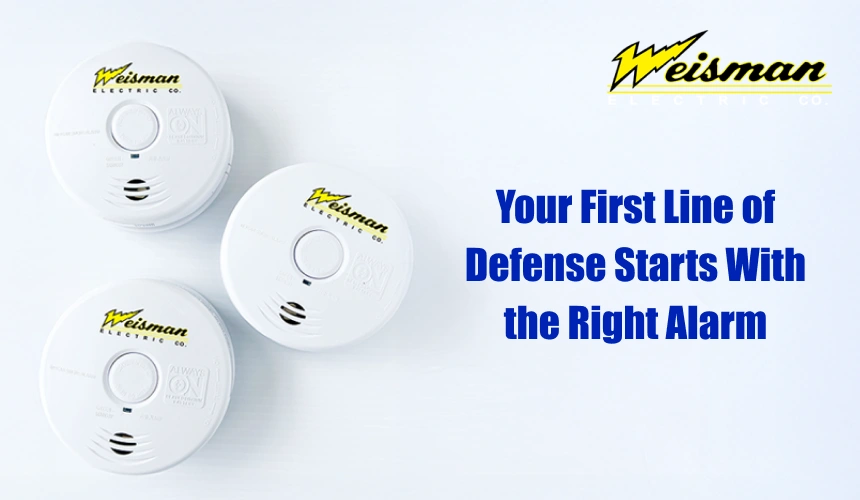
A fire alarm system is one of the most important safety features in any home. When installed and maintained properly, it provides early warning during emergencies, giving your family precious time to escape and call for help. However, simply having alarms in place is not enough. To truly protect your home, you need to understand how your system works, where it should be installed, and how to keep it operating reliably year-round.
Below are practical, homeowner-focused tips to help you get the most value, safety, and peace of mind from your home’s fire alarm system.
Why fire alarm systems matter more than you think
Fires often spread faster than people expect. Within minutes, smoke can fill hallways and sleeping areas, making it difficult to see, breathe, or respond clearly. Properly functioning smoke alarm systems provide early alerts that can mean the difference between a safe exit and a dangerous situation.
Modern systems do more than sound an alarm. Many integrate with other safety devices, offer interconnected alerts throughout the home, and deliver more accurate detection with fewer false alarms.
Install alarms in the right locations
Placement plays a major role in how effective your system will be. Smoke alarms should be installed:
- Inside each bedroom and outside sleeping areas
- On every level of the home, including basements
- Near kitchens, but far enough away to avoid nuisance alarms
- Close to HVAC equipment, furnaces, and boilers
Professional fire alarm system installation services ensure that alarms are installed in accordance with current safety standards and local codes. Proper placement reduces false alarms while maximizing early detection.
Choose the right type of smoke alarm
Not all alarms detect fires the same way. Homes often benefit from a combination of alarm types:
- Ionization alarms respond quickly to fast-flaming fires
- Photoelectric alarms detect slow, smoldering fires more effectively
- Dual-sensor alarms provide broader protection
A licensed electrician can recommend the best configuration based on your home’s layout and risk factors.
Test your fire alarm system regularly
Even the best system cannot protect you if it fails when you need it most. Testing your alarms monthly helps ensure they are ready to respond in an emergency.
Press the test button on each unit and confirm that alarms sound clearly and loudly throughout the home. If you notice weak sounds, delays, or inconsistent performance, address the issue immediately.
Replace batteries and units on schedule
Battery-powered and battery-backed alarms need fresh batteries at least once a year, or sooner if the low-battery alert sounds. Some newer alarms use sealed, long-life batteries designed to last up to 10 years.
Smoke alarm units themselves do not last forever. Most manufacturers recommend replacing alarms every 7–10 years. Aging sensors may not detect smoke accurately, putting your household at risk.
Keep alarms clean and obstruction-free
Dust, dirt, and insects can interfere with alarm sensors over time. Lightly vacuum around alarm vents every few months to prevent buildup. Avoid painting over alarms or placing them behind furniture or décor that could block airflow.
Clean, unobstructed alarms respond faster and more reliably during emergencies.
Educate your family and practice fire safety
A fire alarm is only effective if everyone knows how to respond. Take time to educate your family about what the alarm sounds like and the immediate steps to take.
Create a fire escape plan that includes:
- Two exits from each room when possible
- A designated outdoor meeting point
- Clear instructions for children and guests
Practice your escape plan at least twice a year so everyone reacts calmly and confidently.
Consider interconnected and hardwired systems
Interconnected alarms communicate with each other. When one alarm detects smoke, all alarms sound simultaneously. This is especially important in larger homes where a fire may start far from sleeping areas.
Hardwired smoke alarm systems with battery backup provide consistent power and enhanced reliability. These systems often require professional installation but offer greater peace of mind.
Upgrade older systems for better protection
If your home relies on outdated or inconsistent alarms, upgrading your system can significantly improve safety. Newer smoke alarm systems reduce false alarms, provide clearer alerts, and integrate seamlessly with modern electrical setups.
Upgrades also ensure compliance with updated safety codes and manufacturer standards.
Trust Weisman Electric Co. for home fire alarm safety
For over 40 years, Weisman Electric Co. has helped Maryland homeowners and commercial property owners stay safe year-round. Our licensed electricians provide expert fire alarm system installation services, inspections, upgrades, and troubleshooting to ensure your home remains protected.
We proudly serve Severna Park, Severn, Annapolis, Pasadena, Crofton, Arnold, Millersville, Edgewater, Mayo, Gambrills, Crownsville, and surrounding areas. If you want dependable smoke alarm systems that work when it matters most, Weisman Electric Co. is here to help.
Contact us today to know more.
Frequently Asked Questions
1. How often should smoke alarms be replaced entirely?
Most smoke alarms should be replaced every 7–10 years, even if they still sound during testing.
2. Are hardwired smoke alarms better than battery-only models?
Hardwired alarms provide consistent power and often support interconnected alerts, making them more reliable for larger homes.
3. Why do smoke alarms go off randomly at night?
Low batteries, dust buildup, or placement too close to kitchens or bathrooms can cause nuisance alarms.
4. Should I install smoke alarms myself or hire a professional?
While basic alarms can be DIY-installed, professional installation ensures correct placement, wiring, and code compliance.
5. Can smoke alarms detect carbon monoxide too?
Some combination units detect both smoke and carbon monoxide, offering added protection when properly installed.