
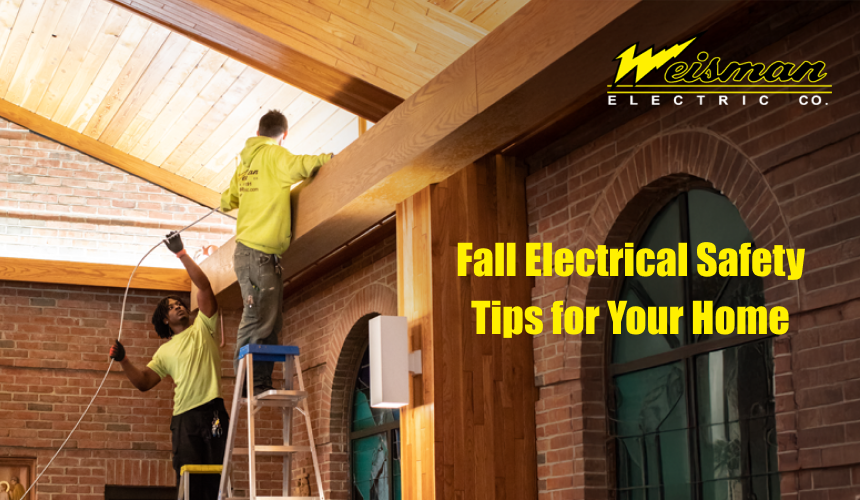
As the days grow shorter and the crisp air of autumn settles in, Maryland homeowners start preparing for the colder months ahead. Heating systems, festive decorations, and extra indoor appliances become part of daily life. While these comforts make the season enjoyable, they also create new electrical safety challenges.
According to the National Fire Protection Association (NFPA), electrical malfunctions cause more than 46,000 home fires annually in the U.S., and incidents tend to rise in the fall and winter, when heating and lighting demands are at their highest.
By following practical electrical safety tips, you can reduce risks, protect your family, and prevent costly emergencies.
Why Electrical Safety Is Critical in Fall
Fall in Maryland often brings unpredictable weather. Chilly nights, heavy rains, and even early-season storms. This mix increases reliance on heating systems, generators, and portable appliances. Unfortunately, these changes also heighten risks of overloaded circuits, faulty wiring, and storm-related power surges.
Staying proactive with inspections and home electrical repair services ensures your system is ready to handle the seasonal load safely.
1. Inspect Heating Appliances Before Plugging Them In
Portable heaters, electric blankets, and space heaters are household essentials when the temperature drops. Before using them:
- Check for cracked plugs, frayed cords, or damaged casings.
- Keep them three feet away from curtains, bedding, or furniture.
- Plug them directly into wall outlets, not extension cords or power strips.
Taking just five minutes to inspect these items can prevent a major hazard.
2. Schedule a Professional Electrical System Checkup
Fall is the best time to get your home’s electrical system inspected before winter peaks. A licensed electrician can
- Test outlets, switches, and breakers.
- Ensure your electrical panel is equipped to handle modern loads.
- Spot and repair wiring issues that may otherwise go unnoticed.
A seasonal inspection is not just preventive; it also helps increase efficiency and reduce energy bills. This is one of the most valuable home electrical maintenance services you can invest in.
3. Use Outdoor Lighting Safely
Outdoor lighting enhances curb appeal and provides extra safety during early nightfall, but Maryland’s wet fall weather poses challenges.
- Always use weather-rated cords and fixtures.
- Seal outdoor outlets with covers to protect them from rain.
- Position lights securely to withstand wind and storms.
- Unplug decorations before bed or when leaving home.
By following these precautions, you avoid both electrical malfunctions and costly damage to fixtures.
4. Test Smoke and Carbon Monoxide Detectors
Homes use heating systems extensively in the fall and winter, which raises carbon monoxide risks. To protect your family
- Replace batteries in smoke and carbon monoxide detectors each fall.
- Test devices to ensure proper operation.
- Place detectors on each floor and outside sleeping areas.
These small steps serve as an early-warning system for two of the most hazardous seasonal risks.
5. Avoid Overloading Circuits
Fall often means plugging in space heaters, slow cookers, and decorative lighting, all at once. To prevent overloads
- Spread out devices across different outlets.
- Avoid daisy-chaining extension cords.
- Upgrade your system if breakers trip frequently.
Overloaded circuits are one of the leading causes of house fires during fall and winter.
6. Prepare for Storm-Related Outages
Maryland’s fall weather often brings nor’easters, coastal storms, and heavy rains that can bring down power lines and trigger outages. To stay prepared
- Install whole-home surge protection to prevent appliance damage.
- Keep a backup generator ready, especially if you rely on medical devices.
- Stock flashlights, fresh batteries, and portable chargers.
With storm-preparedness measures, you protect your home from unexpected disruptions.
7. Keep Electrical Systems Dry in Wet Weather
Between October rains and early frost, moisture is a constant hazard in Maryland homes. Wet basements, garages, and outdoor outlets are common problem areas. To minimize risks:
- Use GFCI (Ground Fault Circuit Interrupter) outlets in moisture-prone areas.
- Inspect your basement and outdoor wiring regularly.
- Seal outdoor outlets against rain or snow.
These measures help prevent shocks, electrocution, and water-related electrical fires.
8. Inspect Your Home’s Wiring
Older homes, especially in historic neighborhoods, often have outdated wiring. Warning signs include:
- Flickering or dimming lights.
- Frequent breaker trips.
- Warm or discolored outlets.
If you notice any of these issues, contact a licensed electrician for immediate electrical repair services. Ignoring wiring problems can lead to costly damage or even fires.
9. Safe Extension Cord Habits
Extension cords are useful for fall décor and temporary appliances, but misuse can create risks.
- Match the cord’s capacity to the device wattage.
- Never run cords under rugs or through doorways.
- Store cords indoors when not in use to prevent moisture damage.
By treating cords as temporary solutions, you keep your home safer year-round.
10. Educate Your Family on Electrical Safety
Household safety improves when everyone participates. Teach children not to play near outlets or cords. Remind adults to unplug unused appliances. These habits create a safer environment for all.
Why Professional Help Matters
DIY fixes may work for small household projects, but electrical issues demand professional expertise. Licensed electricians know how to detect hidden hazards, follow Maryland’s strict building codes, and provide long-term solutions.
By using trusted home electrical repair services, you avoid unnecessary risks and ensure your home is protected.
Weisman Electric Co. – Maryland’s Trusted Electrical Partner
At Weisman Electric Co., we’ve proudly served families and businesses across Maryland for over 40 years. Whether it’s seasonal inspections, storm preparation upgrades, or complete electrical repair services, our licensed team provides solutions tailored to your home’s specific needs. This fall, trust our experience to keep your home safe, efficient, and ready for the season.
Contact us today to schedule a visit for an inspection.
Frequently Asked Questions
1. How often should homeowners schedule an electrical inspection?
Every 3–5 years is recommended, but seasonal inspections are especially useful before the onset of fall and winter storms.
2. What’s the safest way to prepare for power outages?
Invest in surge protection, a backup generator, and a professional inspection of your panel and wiring before storm season.
3. Should I upgrade my panel if I use more appliances in fall?
Yes. If your panel is outdated, it may not be able to support modern loads. An upgrade ensures safety and reliability.
4. Can I leave outdoor lights plugged in during rain?
Only if they are weather-rated and protected by covered outdoor outlets, always unplug lights before storms.
5. Why do older Maryland homes need electrical upgrades?
Many were built before today’s safety standards and cannot handle modern appliances. Upgrades prevent hazards and improve efficiency.